01 / KNOW THE ROUTE
What the course asks of you
City centre and the river
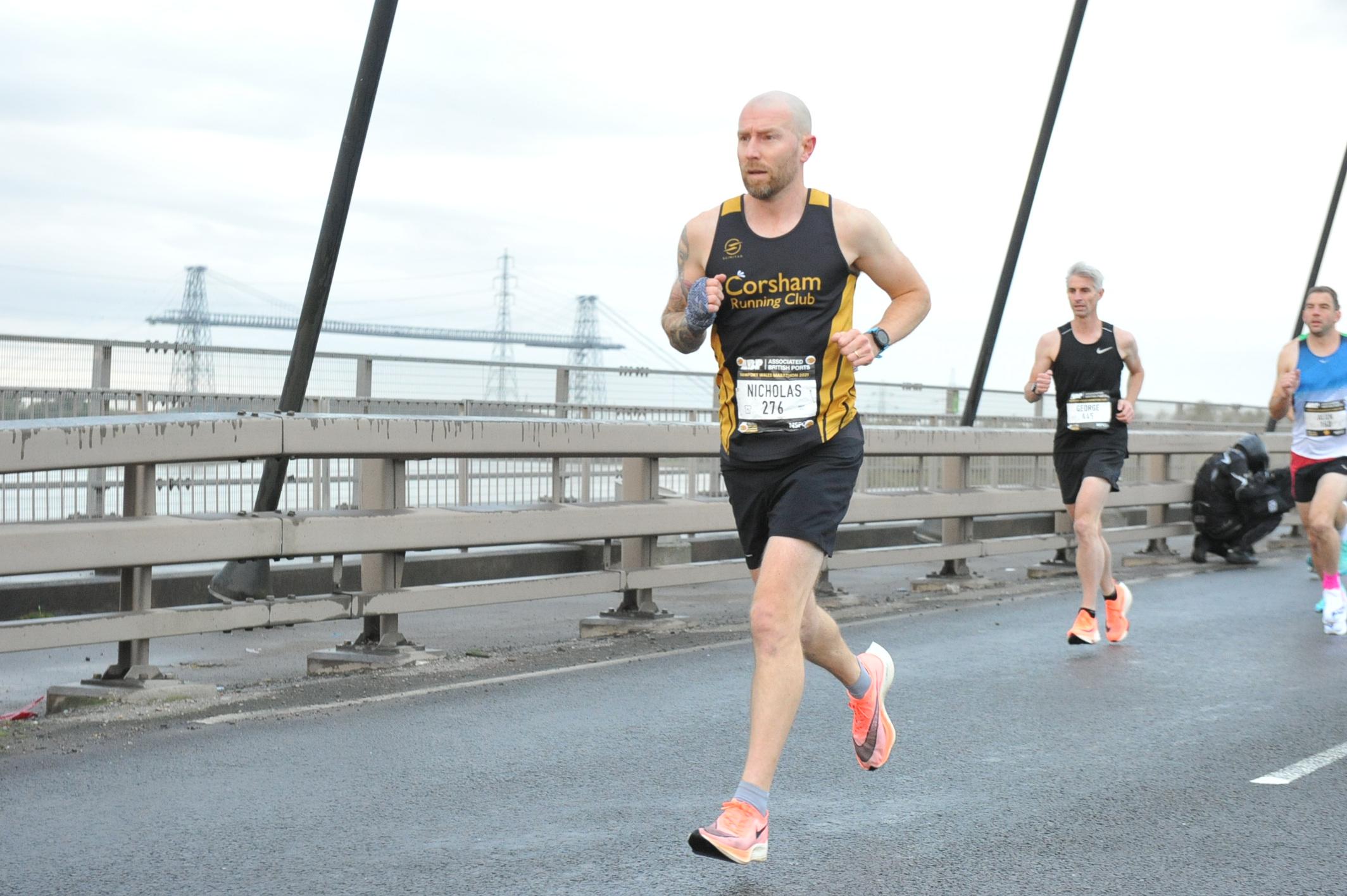
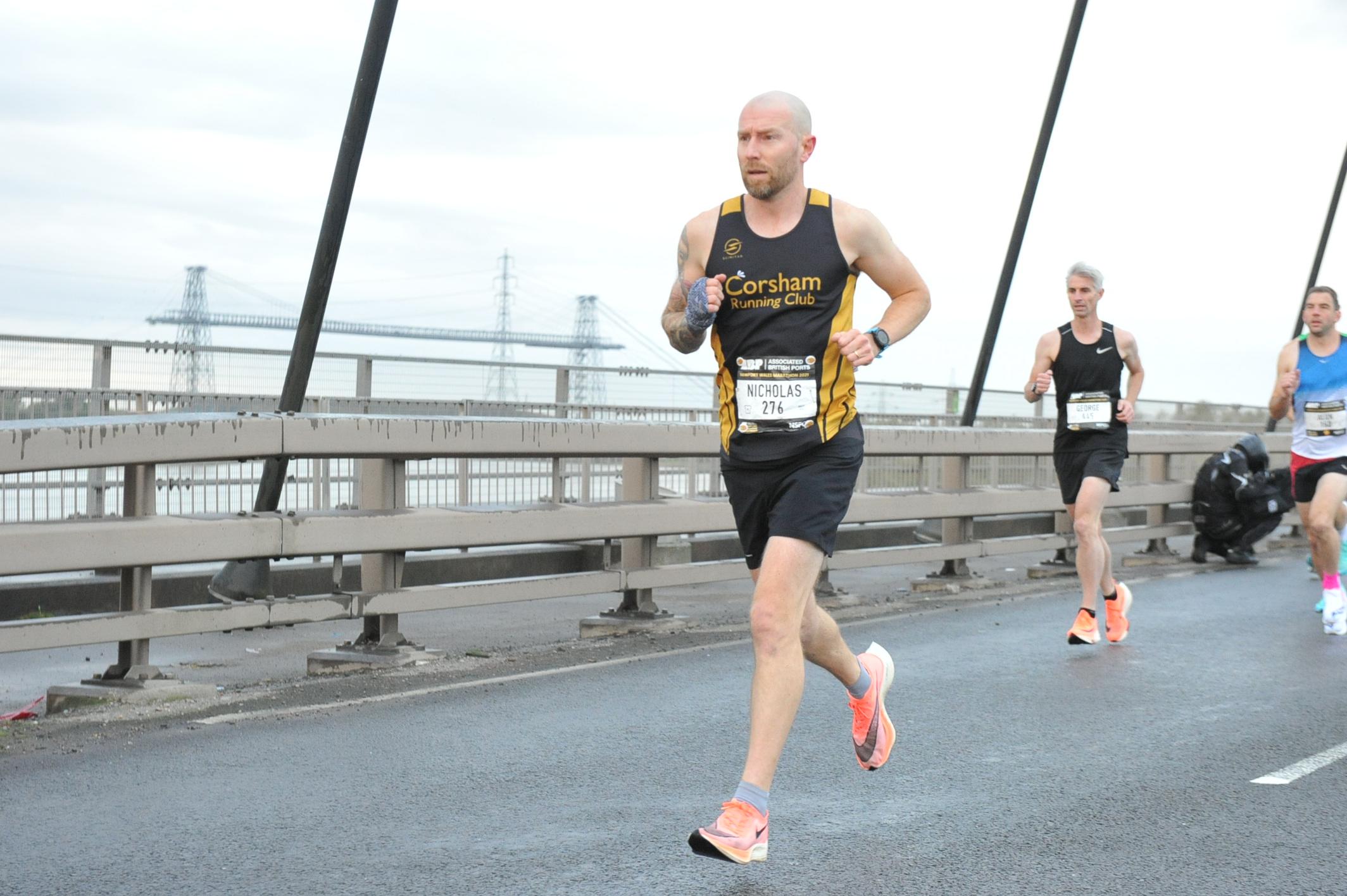
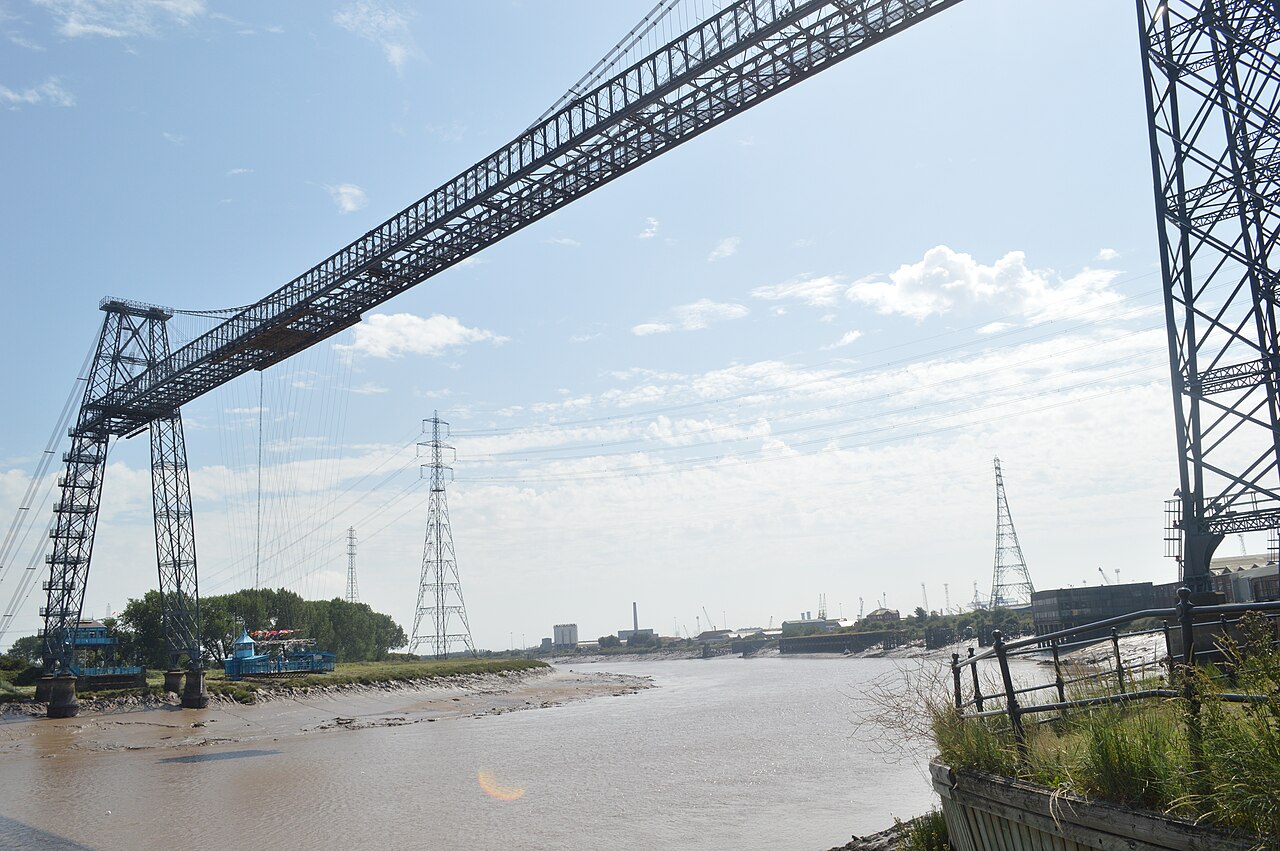
The routes were drawn up by double Olympic marathoner Steve Brace, and the organiser lists the castle, the Victorian Market, the modern riverfront and the Transporter Bridge among the landmarks. The early miles through the city are where it is easiest to get carried away with the crowd, so settle in.
Out onto the Gwent Levels
The half also heads out onto the Gwent Levels, with its coastal wildlife and old villages. It is flat and open, which is great for rhythm but means any wind has nothing to stop it. If it is breezy, work with other runners and keep your effort steady rather than your pace.
Why this is a good PB course
The organiser calls the marathon one of the flattest in Europe, and the half runs through the same flat Levels landscape. Flat does not mean easy, though. With no hills to break things up, it is all about holding an even effort and not slowing in the last three miles.
02 / BUILD THE BLOCK
How to prepare
Threshold work is your friend
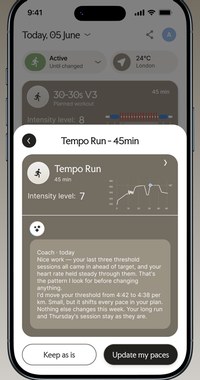
For a flat half, the most useful session for most people is steady threshold running, like 3 x 10 minutes or 2 x 15 minutes at a comfortably hard effort. We push our thresholds up from underneath, so keep the easy days genuinely easy and the threshold work controlled.
Long runs to 12 or 14 miles
Build your long run so that 13.1 miles feels well within you, with some of the later long runs finishing with a few miles at half marathon effort. Practise taking a gel or drink on the move, because there is no point losing ten seconds fumbling at a water station.
Practise on flat, exposed roads
If you can, do some of your race-pace work on flat, open roads or paths so you learn how wind feels at your target effort.
Keep your running and strength work in one place. Explore MaxMile for your Newport Half preparation, or compare the levels of personal coaching.
03 / PUT IT INTO PRACTICE
Pace the race you have trained for
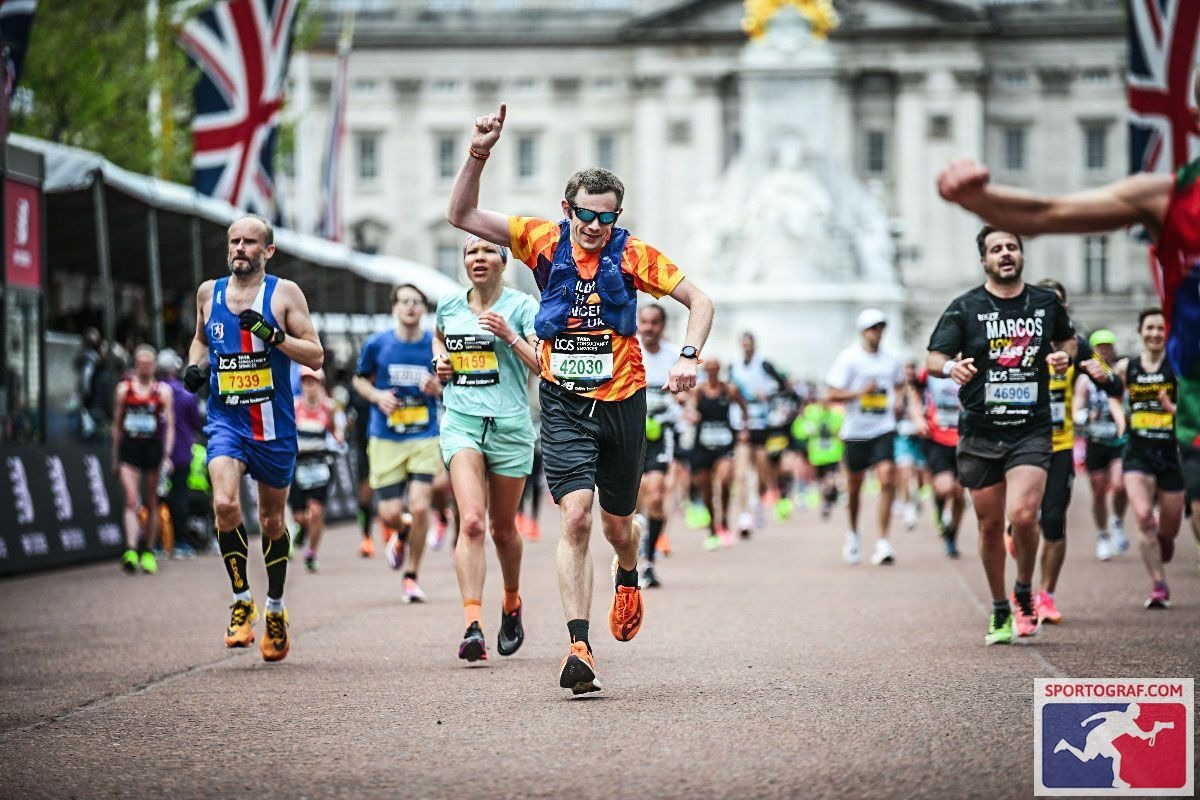
Use the first two miles to settle, ideally a few seconds slower than your goal pace. With finish-time pacers in every wave, sitting behind one for the first half is a sensible way to stop yourself going off too fast.
From around halfway, if you feel good, start picking off runners ahead. If it is windy on the Levels, run by effort into the headwind and let the pace come back when it turns. The last three miles are where a flat half is won or lost, so save something for them.
04 / MAKE ROOM FOR TRAINING
When should your block start?
The Newport Half is on Sunday 18 April 2027, about 22 weeks from mid November 2026. Most runners only need a 10 to 12-week half marathon block, so spend December and early January building consistent easy mileage, then start the focused block from late January.
Your best threshold sessions and longest runs fall in March, with a one to two-week taper in April. If you want a tune-up race, a 10K or a half four to six weeks out works well. General entries close on 21 March 2027 or sooner if they sell out, so do not leave it too late.
05 / SORT THE PRACTICAL BITS
Kit and race-weekend planning
Your race pack includes your number, timing chip and a spectator guide, and your entry includes access to the event village, toilets and water and energy stations on the route. Live tracking is through the Run 4 Wales app, with a finish-time text afterwards. A small non-refundable booking fee is charged by Let’s Do This on top of your entry.
Check the organiser’s travel and parking and road closure pages before race week, as the whole route is closed to traffic. Race packs can only be collected in the designated time slots, so plan around those.