01 / KNOW THE ROUTE
What the course asks of you
Big beaches and dunes
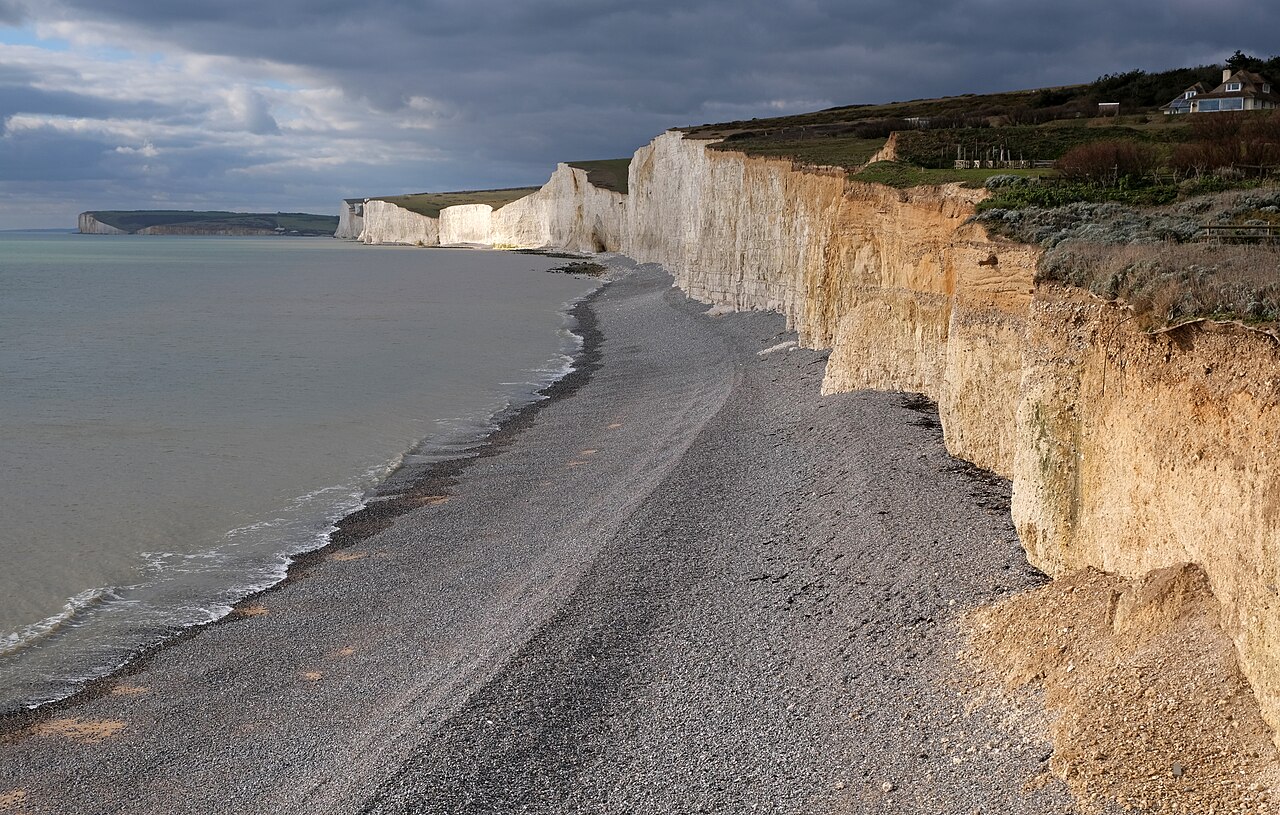
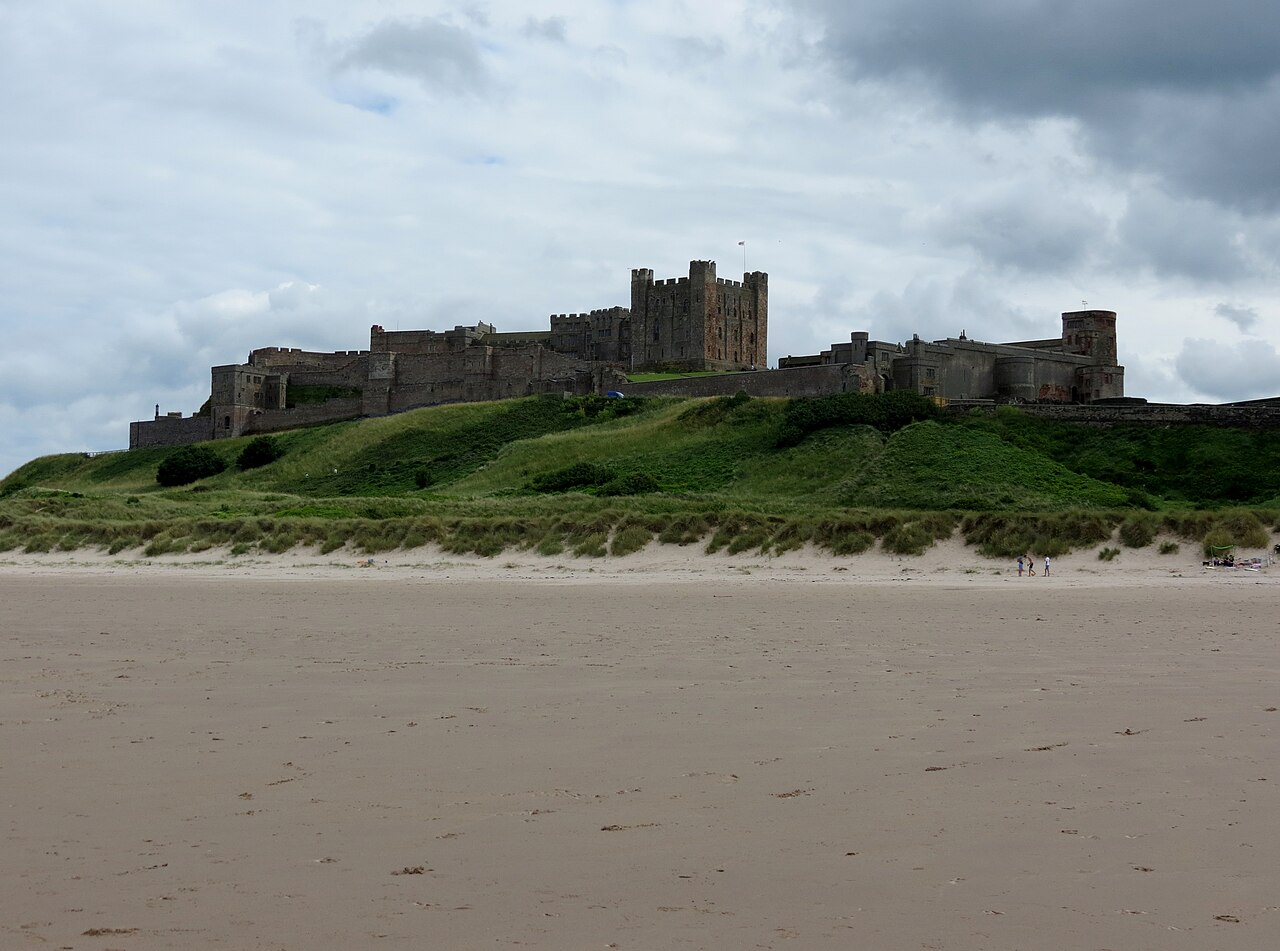
The organiser describes sweeping sandy beaches, rolling dunes, high rocky cliffs and isolated islands, with Bamburgh Castle on its exposed bay. The climbing is modest for an Endurancelife coastal race, but sand is the real challenge here. Soft sand and dune paths take a lot out of your calves and hips, and they slow everyone down.
Exposed in winter
This is the north-east coast in February. If the wind is coming off the sea you will feel it, and there is not much shelter on a beach. Expect to run by effort, not by pace, and to change your plan on the day.
What the course record tells you
The men’s record is just over three hours for 27.8 miles, so even very quick runners lose a fair bit of time compared with the road. If you normally run around four hours on the road, plan for a noticeably longer day.
02 / BUILD THE BLOCK
How to prepare
Get used to sand
If you can get to a beach, do part of a long run on it every couple of weeks, on firm sand and soft. If you cannot, grass, mud and loose trail are the next best thing. Your calves and Achilles need time to adapt, so build it gradually rather than in one big weekend.
Train for the weather
Your biggest runs will be in January and early February. Do some of them in the wind and rain, in the kit and shoes you will race in, and practise eating and drinking with cold hands. I say this all the time with winter races... the kit you have tested is the kit you can trust.
Strength for the long day
Some simple strength work, like calf raises, split squats and step-ups, helps your legs cope with uneven ground late on. Two short sessions a week through the block is plenty for most people.
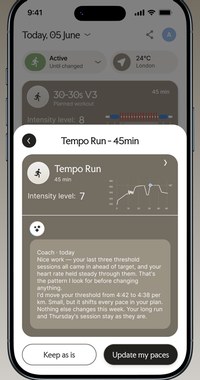
Keep your running and strength work in one place. Explore MaxMile for your Northumberland preparation, or compare the levels of personal coaching.
03 / PUT IT INTO PRACTICE
Pace the race you have trained for
Forget your road splits. Run the firm sections at a comfortable effort, shorten your stride on soft sand and walk the steepest dune climbs without feeling guilty about it.
The first hour feels easy because everyone is fresh. If you reach halfway still feeling controlled, start to push on the firmer, runnable stretches. On a windy day, tuck in behind others on the beach where you can and save your effort for the sections where it actually makes a difference.
04 / MAKE ROOM FOR TRAINING
When should your block start?
The Northumberland Marathon is on Saturday 20 February 2027, about 14 weeks from mid November 2026. If you are already running regularly and have done some long trail runs, a 12 to 14-week block can start now, with Christmas as an easier week rather than a gap.
Your longest runs belong in mid January to early February, ideally on beach or soft trail. Then taper for about two to three weeks. If you are starting from a lower base, the 10K or half marathon on the same day might be the better target for this year.
05 / SORT THE PRACTICAL BITS
Kit and race-weekend planning
Check the participant manual on the event page for the mandatory kit list, start times and checkpoints for your distance. An event safety kit can be added for £12 (whistle, foil blanket, dressing, wipe and plasters), all-day parking at the Bamburgh finish for £3 and coach transport to the start for £4, available until 72 hours before or until full.
Bamburgh is a small village, so book accommodation early. The organiser suggests The Middle Inn in Bamburgh for food and drinks after the race.