
01 / KNOW THE ROUTE
What the course asks of you
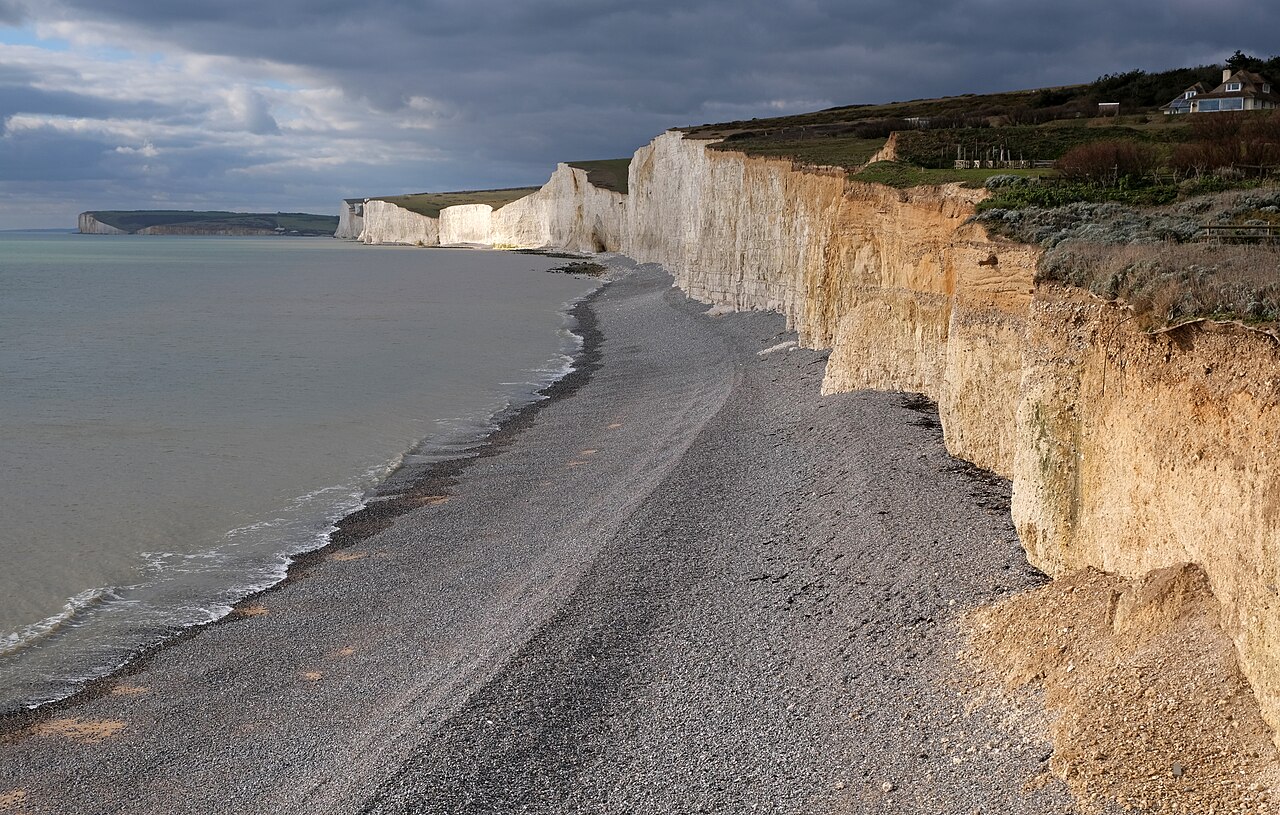
Wild, exposed coast
The organiser describes the Pembrokeshire coastal trails as wild and exposed, with undulating terrain and big views. In practice that means short, steep ups and downs, lots of changes of rhythm and very little shelter if the wind picks up. Expect to run it by effort rather than by mile splits.
Grass, trail, beach and coast path
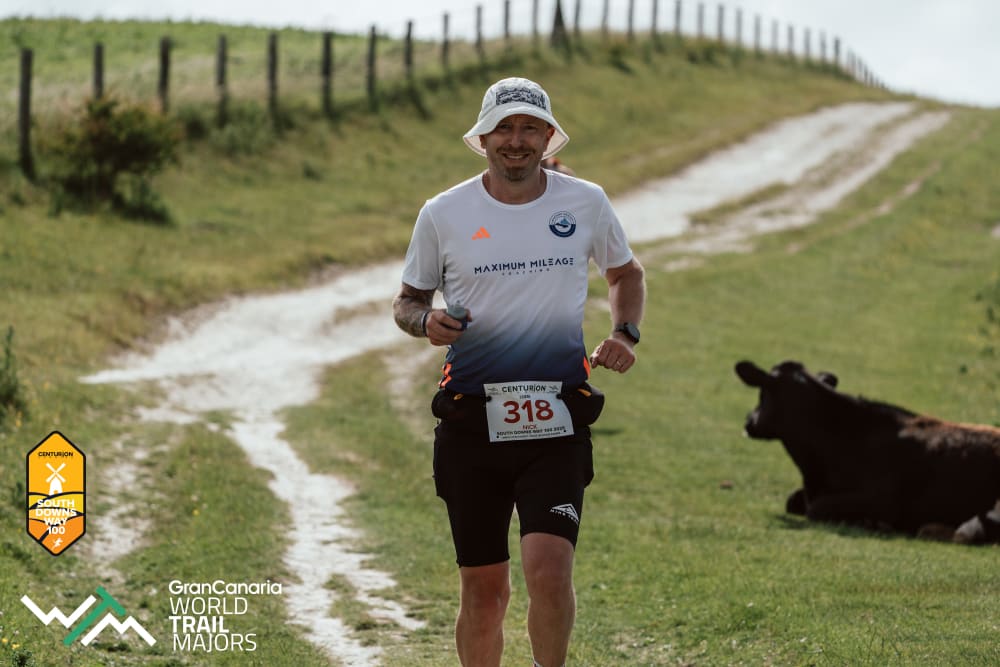
The surface changes all the time. Grass and coast path can be slippery after rain, and the beach sections take more out of your legs than you expect. Shoes with decent grip and a little cushioning make sense here, and you will want to have trained in them.
Why the course record tells you something
The men’s record is 3:15:44 for 27.3 miles, which is a long way off what those runners would do on the road. Use that as a guide. If you normally run a four-hour road marathon, plan for a much longer day out here.
02 / BUILD THE BLOCK
How to prepare
Get hills into your legs
With over 900 m of climbing, spread over lots of short climbs rather than one big one, you need to be comfortable going up and down repeatedly. Hilly long runs once a week and some short hill reps will do more for you than extra flat mileage.
Look after your quads
Steep coastal descents are where most people struggle late on. Build regular downhill running into your training through the block, so your legs have adapted by April rather than finding out on the day.
Run on similar ground
Grass, mud, sand and uneven path all ask something different of your ankles and feet. Do some long runs off-road on mixed terrain, and practise eating and drinking from your vest while you are moving over it.
Keep your running and strength work in one place. Explore MaxMile for your Pembrokeshire preparation, or compare the levels of personal coaching.
03 / PUT IT INTO PRACTICE
Pace the race you have trained for
Forget your road pace. Walk the steep climbs from the start, run the flatter sections at a comfortable effort and let the descents come to you rather than throwing yourself down them.
The first few miles always feel easy because everyone is fresh. If you get to halfway still feeling controlled, you can start to push on the runnable stretches. Most people who blow up on coastal marathons do it by racing the first set of hills.
04 / MAKE ROOM FOR TRAINING
When should your block start?
The Pembrokeshire Marathon is on Saturday 24 April 2027, about 23 weeks from mid November 2026. That gives you a winter base phase and then a 16-week block from early January, with Christmas comfortably out of the way.
Your biggest hilly long runs belong in March and early April, ideally on coast path or similar rough, hilly trail. Then taper for about two weeks. Spring on the Welsh coast can be wet and windy, so do some training in poor weather and test your waterproof and layers before race day.
05 / SORT THE PRACTICAL BITS
Kit and race-weekend planning
Check the participant manual for the mandatory kit list and timings for your distance, and watch the mandatory safety video during online check-in. All-day parking can be added for £3 when you book, and the organiser says parking charges may apply, so read the manual before you travel.
Little Haven is a small coastal village, so plan accommodation and travel early. The organiser suggests The Castle in Little Haven for food and drinks after the race.