
01 / KNOW THE ROUTE
What the course asks of you
Two loops of the Chilterns
Centurion describes two 25 km loops from Stonor Park through Chiltern villages and ancient woodland. Running the same loop twice is an advantage: you see every climb once before the second lap, so use the first loop to learn where to hike and where to run.
Short, repeated hills
The 1,200 m of climbing comes from many short climbs and descents rather than one big hill. The 2026 FAQ described mostly smooth single and double track, with gates, stiles and some busy road crossings. In March, expect mud in the woods and on field edges.
Aid stations
In 2026 the aid stations were Ibstone, Skirmett, Stonor, Hambleden and Bix before the Stonor finish. The 2027 list and cut-offs were not published when we checked.
02 / BUILD THE BLOCK
How to prepare
Train for lots of short climbs
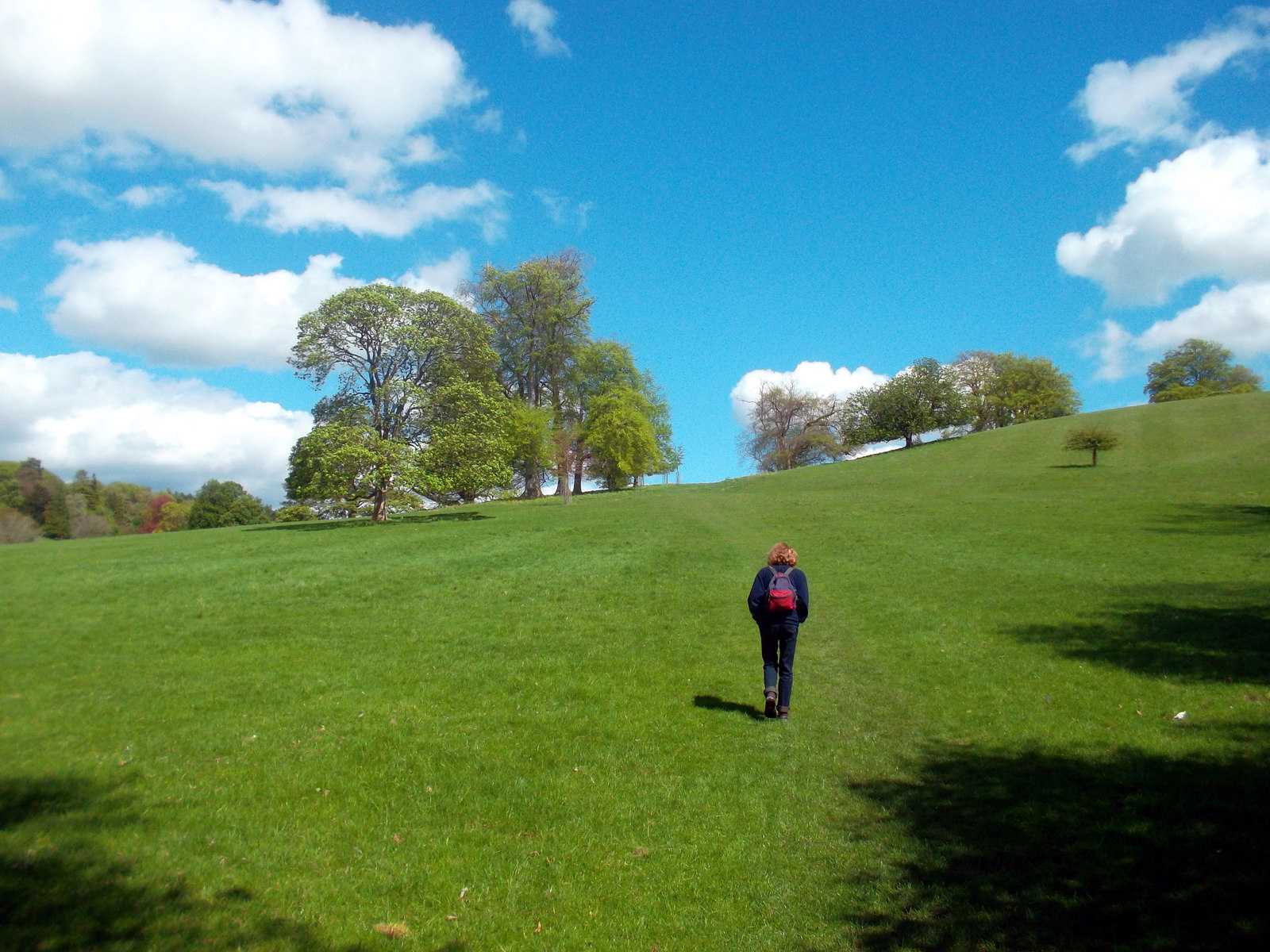
Rolling routes with frequent short hills are the most specific training you can do. Practise a brisk power hike on the steepest pitches and an easy run over the tops, so you settle quickly after each climb.
Build the long run on similar ground
Extend your longest trail run gradually towards 3 to 4 hours, ideally on muddy, hilly winter trails. Back-to-back weekend runs teach you to run well on tired legs without needing a single very long outing.
Practise fuelling and kit
Eat and drink regularly on every long run, and train in the mandatory kit, including a waterproof jacket and at least 1 litre of water capacity, so race day feels familiar.
Keep your running and strength work in one place. Explore MaxMile for your Hundred Hills preparation, or compare the levels of personal coaching.
03 / PUT IT INTO PRACTICE
Pace the race you have trained for
Run the first loop well within yourself. Hike the steeper climbs from the start, take care on muddy descents and through gates, and keep eating. A comfortable first 25 km leaves you strong for the repeat.
On the second loop you know what is coming. Break it down by aid station, keep the same hiking discipline on the climbs and use the runnable sections to make up time. If the trails are wet, judge pace by effort, not your watch.
04 / MAKE ROOM FOR TRAINING
When should your block start?
Hundred Hills is on Saturday 20 March 2027. A 16-week block starts around Saturday 28 November 2026 and a 12-week block around Saturday 26 December 2026. Both run through winter, so plan for short days, mud and the Christmas break: agree a realistic minimum week over the holidays rather than dropping the plan.
January and February are the key months for hilly long runs and back-to-back weekends. If you can, recce one of the loops in February to learn the climbs and the ground. Taper over the final 10 to 14 days.
05 / SORT THE PRACTICAL BITS
Kit and race-weekend planning
Mandatory kit, with a one-hour penalty for each missing item, includes a charged phone with the race medic and race director numbers saved, at least 1 litre of water capacity, a survival blanket of at least 1.4 m by 2 m, a taped-seam waterproof jacket (10,000 mm minimum), a whistle and a long-sleeved base layer or fleece kept dry. The 2026 FAQ also listed a cup, so check the final list.
Parking is free on site, but on grass that can be waterlogged; do not park on local roads. Henley-on-Thames is the nearest station, about five miles away, with taxis. Runners without a car can leave a labelled finish bag at registration.