
01 / KNOW THE ROUTE
What the course asks of you
Ship Canal to Chorlton and Dunham Massey
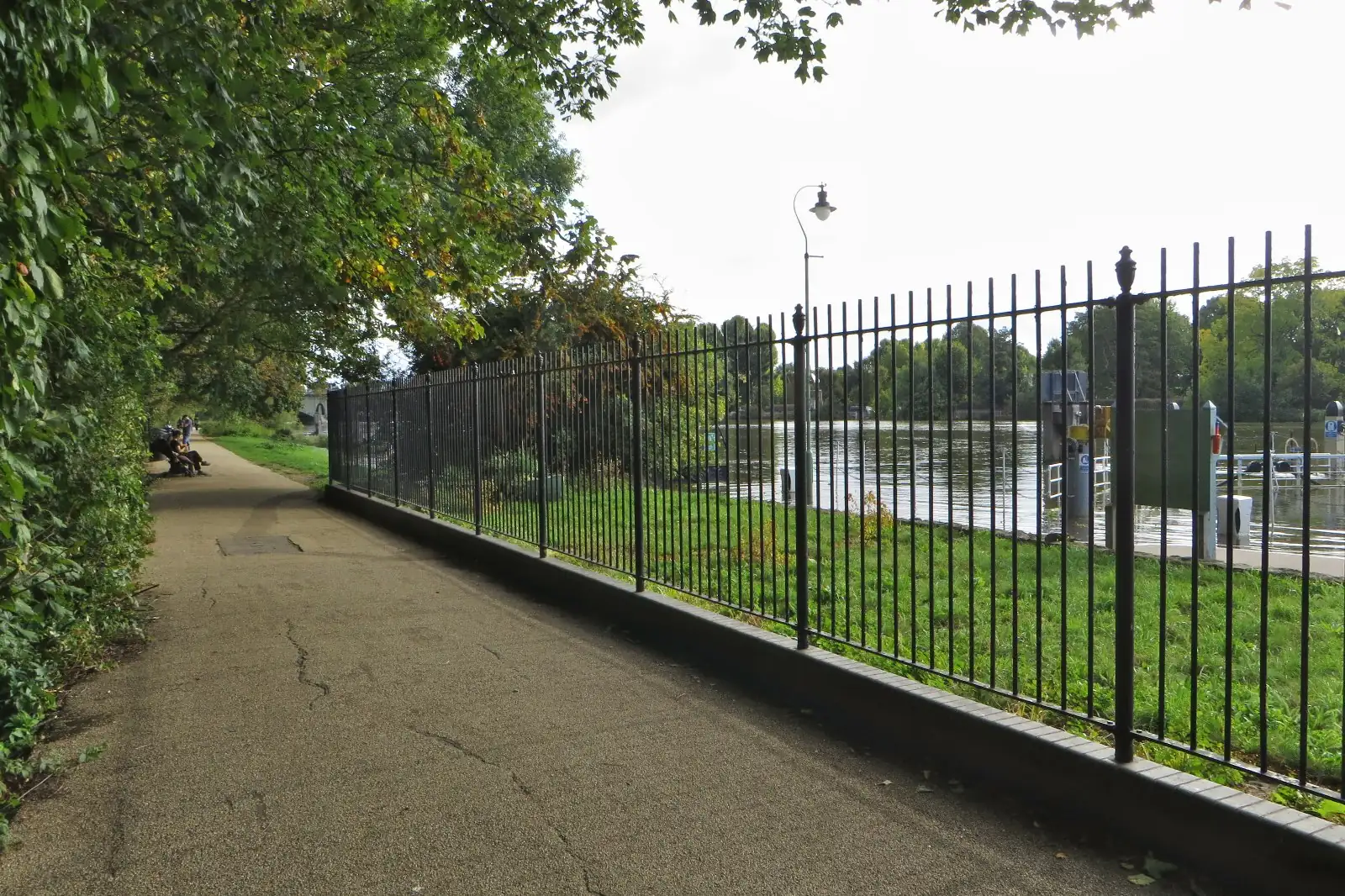
You start on the Ship Canal waterfront at IWM North and head out on the Trans Pennine Trail to the first checkpoint at Chorlton Water Park (6 miles). Dunham Massey follows at 15 miles. It is flat and it feels easy, which is exactly the problem. Most of the damage in this race is done by people running the first 15 miles like a marathon.
Latchford Locks to Spike Island
The middle of the race follows the Ship Canal and the Mersey through Warrington, past Latchford Locks (22 miles) and on to Spike Island in Widnes (32 miles). This is where a flat ultra gets hard. There is no climb to walk up and no descent to freewheel, just the same running movement for hour after hour.
Hale Road, Broadgreen and the finish
Checkpoint 5 is beside Alderfield Drive at Hale Road (37 miles), then the trail runs into Liverpool to checkpoint 6 under the bridges at Broadgreen (44 miles). The last six miles go to the finish at the Railway Club on Melling Road. If you have paced it properly, this is where you start passing people.
02 / BUILD THE BLOCK
How to prepare
Train for the flat, not the hills
I say this all the time with flat ultras... the lack of hills is what makes them tough. You use the same muscles in the same way for the whole day, so build long runs on flat towpath, canal path or old railway line, and keep most of them at a genuinely easy effort.
Practise walking on purpose
With no climbs to force a walk, you have to plan one. A lot of runners I coach do well with a short, brisk walk every so often from early in the race. Practise it in training so it feels normal, rather than something you only do once you are knackered.
Eat like it is an ultra
Fifty miles is a long day of eating and drinking. Practise taking on food every 30 to 45 minutes in your long runs, and test the real food you might pick up at checkpoints as well as gels. The race is cupless, so get used to carrying and refilling your own soft flask or cup.
Keep your running and strength work in one place. Explore MaxMile for your Manchester to Liverpool preparation, or compare the levels of personal coaching.
03 / PUT IT INTO PRACTICE
Pace the race you have trained for
Start slower than feels sensible and settle into an effort you could hold for most of the day. On flat ground it is easy to drift faster, so check your effort every few miles rather than chasing the runner ahead.
Know the published cut-offs: 07:40 at Chorlton Water Park (6 miles), 10:12 at Dunham Massey (15 miles), 12:09 at Latchford Locks (22 miles), 14:57 at Spike Island (32 miles), 16:21 at Hale Road (37 miles), 18:19 at Broadgreen (44 miles) and 20:00 at the finish. Most runners will be well inside these, but they matter if you have a bad patch. If you reach Spike Island feeling steady, the last 18 miles are where a good race is made.
04 / MAKE ROOM FOR TRAINING
When should your block start?
The Manchester to Liverpool Ultra 50 is on Good Friday, 26 March 2027, about 19 weeks from mid November 2026. If you already have a marathon base, a 16-week ultra block can start in early December, with Christmas landing in the base phase rather than your biggest weeks.
Your longest runs and back-to-back weekends belong in February and early March, on flat routes and ideally on sections of the Trans Pennine Trail itself. Then taper for about 17 days from around 9 March, which matches the MaxMile taper for 50 miles. Remember it is early spring, so do some of your long runs in cold, wet weather and in the kit you will race in. Places can be transferred up to three weeks before the race.
05 / SORT THE PRACTICAL BITS
Kit and race-weekend planning
Bib collection is on Thursday 25 March from 17:30 to 21:00, or on race morning from 04:15 to 05:30, when you also collect the GB Race Tracker that forms part of your mandatory kit. Watch the race briefing and mandatory kit videos on the race page, which the organiser says will be updated for 2027 by 16 March. The race is cupless.
An optional drop bag goes to the finish in Liverpool, up to 56 x 45 x 25 cm and no more than 7 kg. Post-race coaches return to IWM North at 16:00 and 20:15 and must be booked in advance. Crews and supporters must not attend checkpoint 2 at Dunham Massey. The finalised GPX, including diversions, is published at 10:00 on Wednesday 24 March 2027.