

01 / KNOW THE ROUTE
What the course asks of you
Let the opening miles come to you
The organiser describes a net downhill opening, with the starts merging near mile three. That is a reason to stay patient, not bank time. Settle into the space available rather than repeatedly accelerating around other runners.
Enjoy Tower Bridge without changing the plan
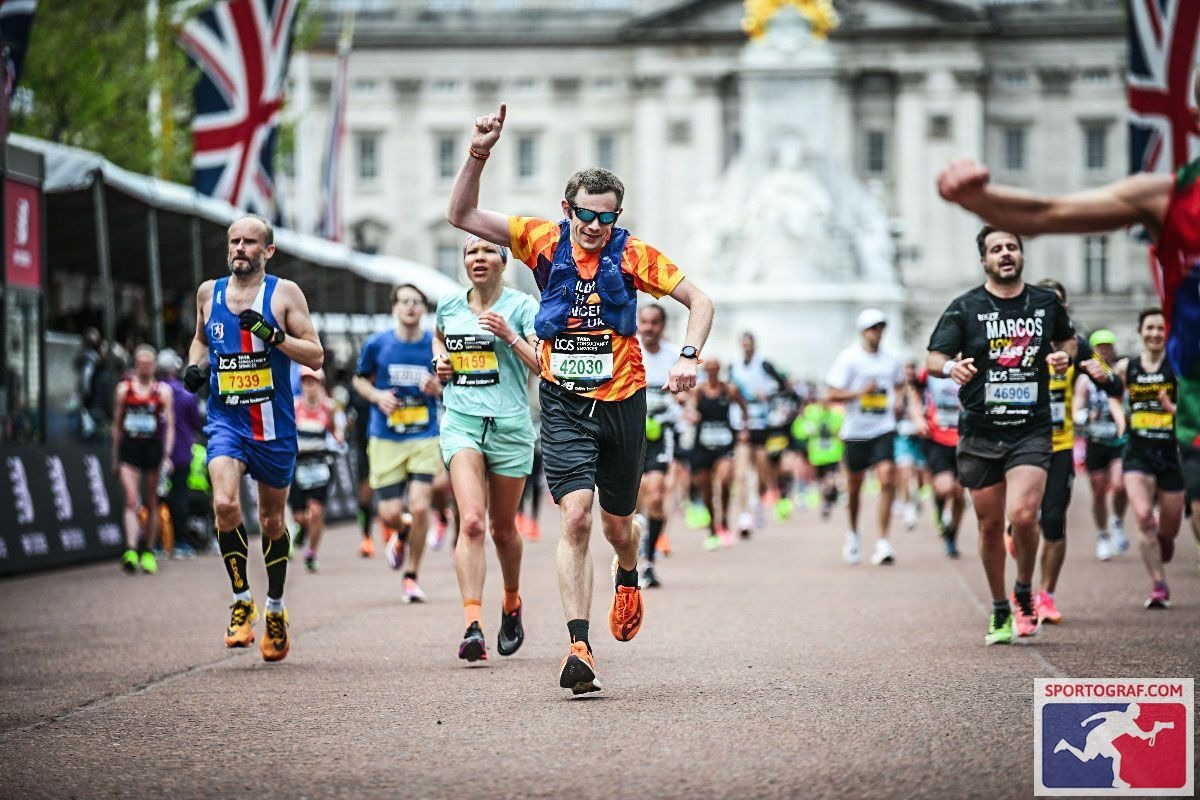
The route passes Cutty Sark before Tower Bridge, then continues east through Docklands and Canary Wharf. Use the landmarks as checkpoints. The crowd noise can lift you, but it should not decide your effort.
Keep your watch in perspective
The official course advice warns that buildings and the underpass can affect GPS around Canary Wharf. Check elapsed time against course mile markers rather than chasing every instant-pace reading. Practise that habit in training so it feels familiar on race day.
Read the organiser's course overview. Check the final participant instructions before travelling.
02 / BUILD THE BLOCK
How to prepare
Build a week you can repeat
Start with the running you can manage consistently alongside work and family. Add volume gradually enough that you can still train well the following week. A spectacular Sunday run is not much use if it wipes out the next three days.
Make marathon effort familiar
Once your base supports it, include controlled stretches at your intended marathon effort within suitable longer sessions. Keep plenty of easy running around them. You are learning what sustainable feels like, not proving your goal time every weekend.
Rehearse the practical bits
Use selected long runs to test breakfast, shoes, clothing and your fuelling routine. Include some running without watching instant pace, checking elapsed time at known distances instead. That prepares you for London's GPS interruptions without needing to train on crowded city streets.
For the wider structure, read our marathon training-plan guide.
03 / PUT IT INTO PRACTICE
Pace the race you have trained for
Choose your starting effort from recent training and racing, not the excitement of getting a London place. Keep the opening descent controlled. When you reach the bridge and the louder sections, check whether your breathing and effort still match the plan.
Around Docklands, use course markers and elapsed time if the watch jumps around. Later, break the remaining distance into manageable sections and keep taking the fuel you have practised. If conditions or how you feel make the original target unrealistic, adjusting early is more useful than clinging to a number.
04 / MAKE ROOM FOR TRAINING
When should your block start?
An 18-week race-specific block would begin on 19 December 2026 for Saturday's race or 20 December for Sunday's. Those are calendar examples, not a recommendation that everyone needs the same block.
Use the time before that to establish consistent running. If you are starting from a low base, returning after a break or juggling a difficult schedule, the preparation period may need to be longer. An experienced runner may organise it differently. Confirm your allocated day before planning the taper.
A human coach can work through those decisions with you. MaxMile offers an app-led route if that suits how you prefer to train.
05 / SORT THE PRACTICAL BITS
Kit and race-weekend planning
Keep your race shoes, breakfast and carrying setup familiar. Organise travel around the start instructions for your allocated day rather than assuming the whole weekend runs to one timetable. Leave room in the plan for getting to the start and meeting people afterwards.
Use the organiser's final participant information for bag arrangements, transport, start time and on-course supplies. We have not treated the current course page as a final 2027 station schedule or published a race-day weather prediction.