01 / KNOW THE ROUTE
What the course asks of you
Old Town to Holyrood
The organiser’s route runs from Potterrow past Greyfriars, through the Old Town and Royal Mile, the Mound and New Town and Princes Street Gardens, then past the Scottish Parliament and Holyrood. Expect cobbled and historic streets and some changes of direction early on, so the first miles are about finding space rather than chasing pace.
Round Arthur’s Seat and down to the sea
The route passes Arthur’s Seat and Salisbury Crags in the Royal Park before dropping towards the coast. The organiser describes the course as gently downhill early and flat in the middle, with an overall descent of almost 90 metres.
Portobello and Musselburgh
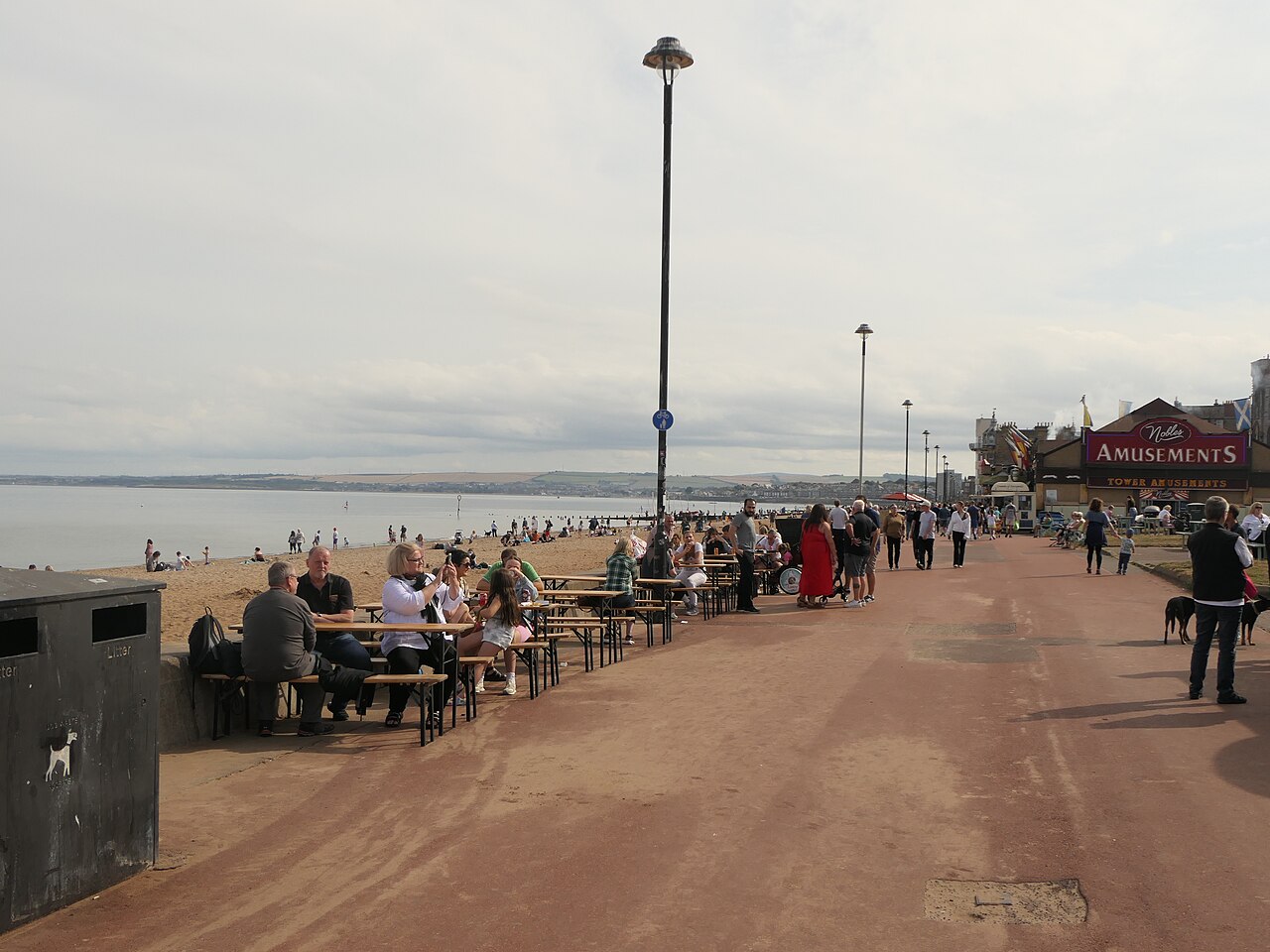
The second half follows Portobello promenade and the coast east to Musselburgh. It is flat and open, so expect wind off the Firth of Forth to matter more than gradient. Water is at about 4, 9, 12 and 18.5 km, with gels at about 14 km at Fisher Row.
02 / BUILD THE BLOCK
How to prepare
Prepare your legs for the early descent
A net-downhill course rewards quads that are used to it. Include some gently downhill running in easy and steady runs during the block, and keep strength work going so the drop through the city does not leave you flat by the coast.
Practise sustained effort on flat, open roads
The promenade and coast road are where the race is decided. Build half marathon effort sections on flat routes, ideally somewhere exposed, so you learn to hold rhythm into a headwind by tucking in rather than pressing harder.
Rehearse an early start
With an 8am start and event buses leaving early, practise a few key sessions at that time of day, including breakfast timing and your warm-up.
Keep your running and strength work in one place. Explore MaxMile for your Edinburgh Half Marathon preparation, or compare the levels of personal coaching.
03 / PUT IT INTO PRACTICE
Pace the race you have trained for
Hold back through the Old Town. The early downhill and the crowds make it easy to run the first 5 km too fast, and cobbles and turns cost more energy than they look. Aim to reach Holyrood feeling controlled.
Once on the flat by the coast, settle into goal effort and check the wind. If it is in your face, run in a group and accept a slightly slower split; if it is behind you, this is where to press. Save a final push for the last 3 km into Musselburgh.
04 / MAKE ROOM FOR TRAINING
When should your block start?
The Edinburgh Half is on Sunday 30 May 2027. A 12-week block starts on Sunday 7 March 2027 and a 16-week block on Sunday 7 February 2027, which suits runners building from a lower base. Use January for consistent easy running so the specific work starts from a solid footing.
April and early May hold the key half marathon effort sessions on flat, open roads. Many runners also target spring marathons in April, so if you are racing both, give yourself at least two easy weeks after the marathon before any sharp work. Taper over the final 10 to 14 days, and remember entries close when the race fills, with no waiting list.
05 / SORT THE PRACTICAL BITS
Kit and race-weekend planning
The start is about a mile from Edinburgh Waverley station and the Princes Street tram stop. Event buses leave from Buccleuch Place, about 15 minutes’ walk from the start, and from Park and Ride sites between 06:00 and 06:30; the organiser expects 2027 bus tickets around December 2026. There is no event parking in Musselburgh.
Bag drop is at the start, zoned by bib number, and bags are not accessible until after the finish; a rucksack is fine but suitcases are not. Train capacity from Musselburgh and Wallyford is very limited, so plan to use the event buses back to the city. Spectators need no ticket.