
01 / KNOW THE ROUTE
What the course asks of you
Ellesmere Port, Chester and the Sandstone Trail
You start on the track at Ellesmere Port and head to Chester, where checkpoints 1 and 2 share a spot on Tower Road because that section is an out and back. From there it is Waverton (17 miles), then the Sandstone Trail past Beeston Castle to Peckforton (27 miles). This is the hilliest part of the day, so it is the bit where people who set off too quickly start paying for it.
Delamere Forest to Frodsham
Delamere Forest comes at 40 miles and Frodsham Parish Hall at 47, which is roughly halfway and the first place you can get at your drop bag. A single pacer can join you from here. Most runners will reach Frodsham in the evening, so think of it as your reset before the night.
The night section and the canal home
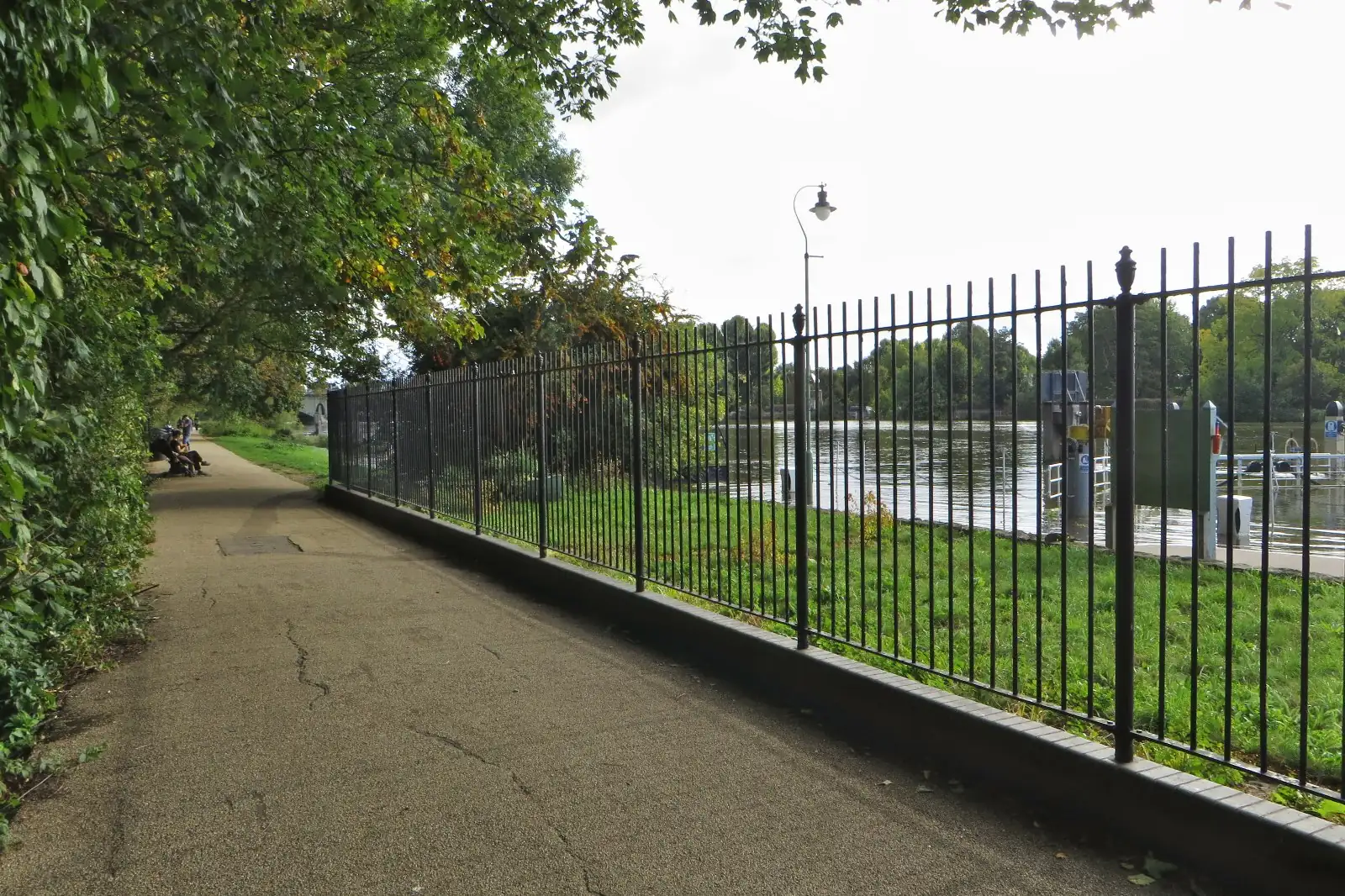
Overnight you go via Preston Brook, Stockton Heath in Warrington and Spike Island in Widnes, then back through Preston Brook and Frodsham (85.6 miles) before Helsby Hill and the run back to Ellesmere Port. Much of the second half is canal and trail that is very runnable, which sounds lovely until you realise you have to keep running it at 3am.
02 / BUILD THE BLOCK
How to prepare
Build the base before the block
For most people a first 100 comes off the back of a solid 50-mile race and a good year of steady running. The organiser asks for an organised 50-mile ultra before race day anyway. The thing with 100s is that the training is mostly easy miles and time on feet, done consistently, rather than heroic sessions.
Back-to-backs and hiking
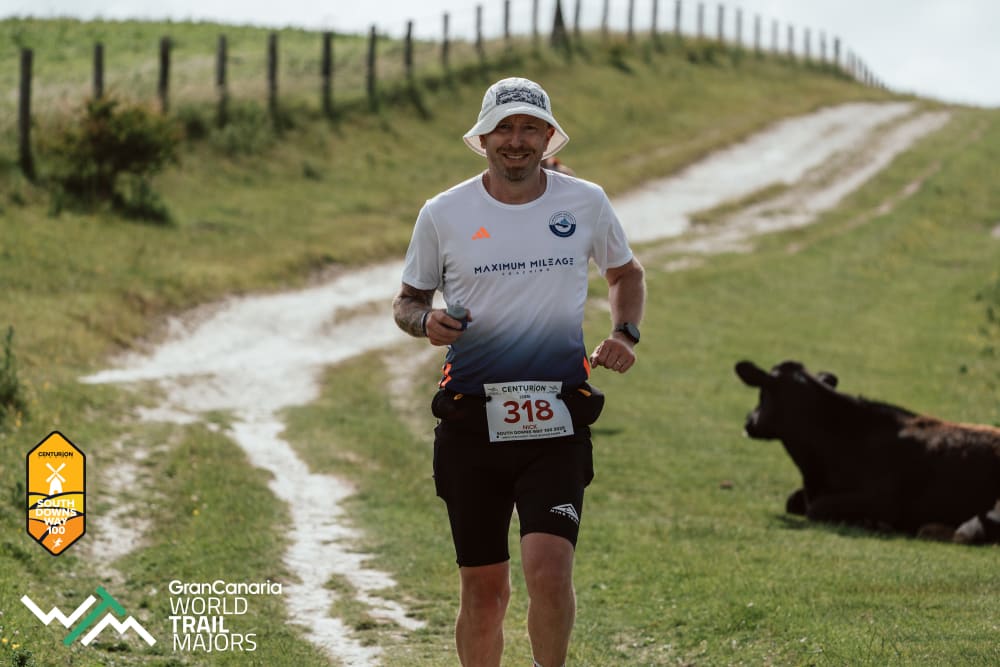
Back-to-back long runs at the weekend teach you to run on tired legs without the injury risk of one enormous run. Practise power hiking on the Sandstone Trail-type climbs as well, because you will walk the hills and it pays to be quick at it.
Practise the night and the eating
Do some long runs in the dark with both of your torches, and practise eating real food every 30 to 45 minutes. Ann Trason said ultra running is basically an eating competition with some running involved, and at 102 miles she was bob on. The race is cupless, so get used to your own soft cup.
Keep your running and strength work in one place. Explore MaxMile for your Chester Ultra 100 preparation, or compare the levels of personal coaching.
03 / PUT IT INTO PRACTICE
Pace the race you have trained for
Start far slower than feels sensible. The first 27 miles to Peckforton have the most climbing, and the cut-offs there are generous (08:46 at CP1, 14:27 at Peckforton), so there is no reason to bank time early. Walk the steep bits from the start and keep to a chatting pace on the flat.
Get to Frodsham (20:43 cut-off) feeling like you have barely started, eat properly and sort your kit for the night. Later cut-offs include 01:19 at Stockton Heath, 03:50 at Spike Island and 14:00 at the finish. If you are moving steadily through the night, the canal miles back towards Ellesmere Port are where a good 100 comes together.
04 / MAKE ROOM FOR TRAINING
When should your block start?
The Chester Ultra 100 is on Saturday 17 April 2027, about 22 weeks from mid November 2026. If you already have a good base, keep December steady and start a focused 100-mile block from early January, with your biggest back-to-back weekends in February and March.
Then taper for about three weeks from late March, which matches the MaxMile taper for 100 miles. April in Cheshire can still be cold overnight, so do some night runs in late winter wearing the kit you will race in, and test the mandatory waterproof and spare base layer. Remember that deferrals or event changes must be requested at least 8 weeks before race day.
05 / SORT THE PRACTICAL BITS
Kit and race-weekend planning
Mandatory kit includes a waterproof jacket with sealed seams (minimum 10,000 mm), a long-sleeved base layer in a dry bag, at least 1 litre of water capacity, a charged phone in a waterproof bag, a survival or bivvy bag, a head torch of at least 75 lumens, a second torch (not a phone or watch), a whistle and the GB Race Tracker you collect at registration. Kit checks happen at registration, on course and at the finish.
Race morning registration is 04:15 to 05:30 at the start venue, with bib collection also possible on Friday evening, though you still need to collect your tracker on Saturday morning. One drop bag covers both Frodsham visits. Crews must not attend checkpoints 7 and 10 at Preston Brook or checkpoint 12 at Alvanley, and must not park at checkpoints 1, 2 or 5.