01 / KNOW THE ROUTE
What the course asks of you
The historic centre
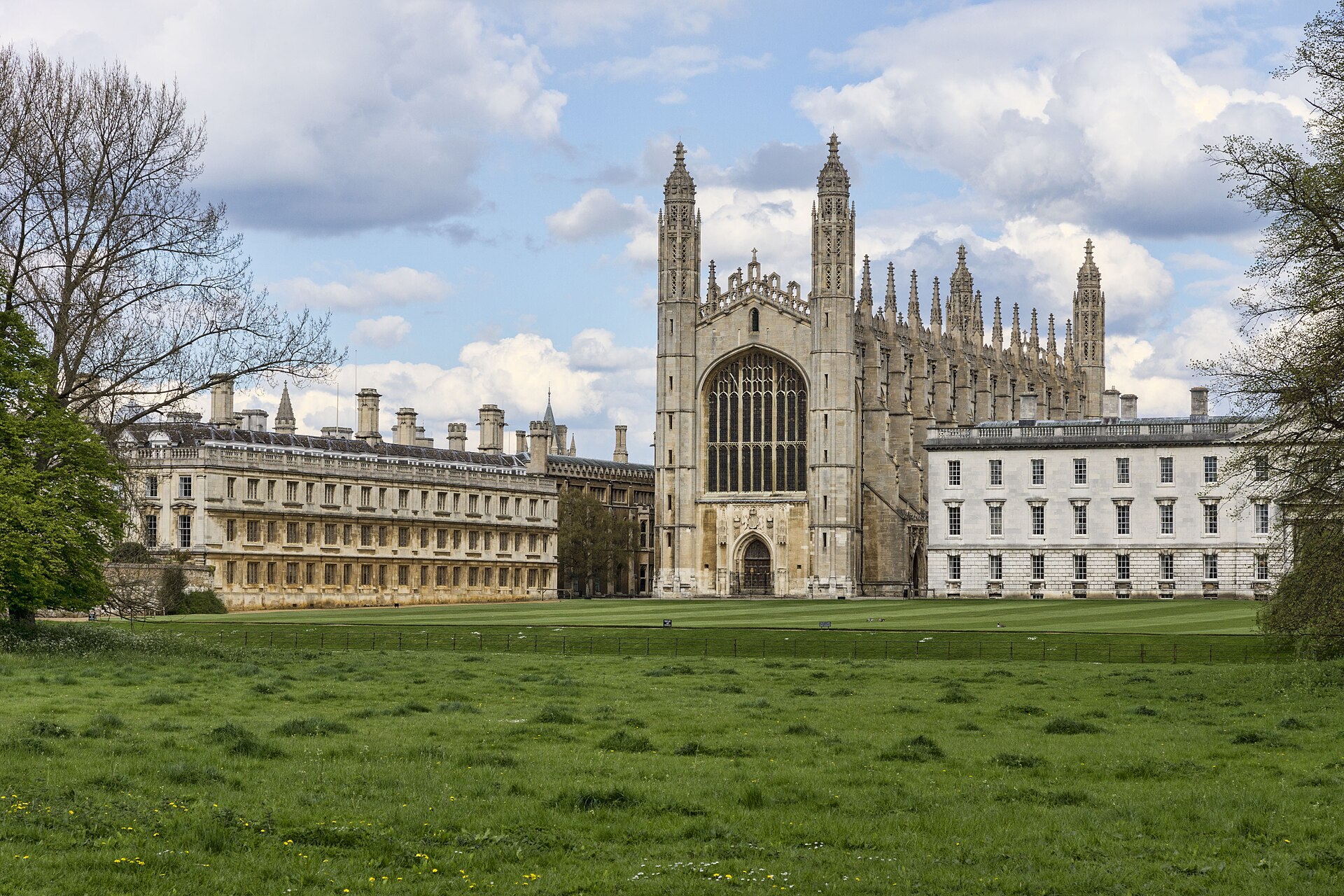
The race leaves Victoria Avenue and loops through the historic centre, past colleges including St John’s, King’s, Jesus and Trinity. The roads are closed or partly closed, but the opening miles are busy with a big field starting in waves. Use them to settle rather than weave.
Countryside and the River Cam
The middle of the route heads out into flatter, quieter roads beside the river and towards Trumpington and Grantchester. With fewer landmarks and thinner crowds, this is where rhythm and concentration matter most.
The Backs and the return
The final section brings you back past The Backs and the riverside into the city, with the last drink station on Bridge Street around 12.3 miles in the 2026 layout. It is flat enough to finish strongly if you have paced the first half well.
02 / BUILD THE BLOCK
How to prepare
Train for steady, flat running
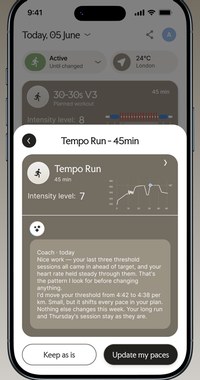
With so little climbing, Cambridge rewards the ability to hold an even effort for a long time. Include tempo runs and half-marathon-pace sections on flat routes, building the time you can spend at target pace across the block.
Build through winter
A mid-March race means the key work falls in January and February. Keep easy runs genuinely easy, protect the weekly long run, and wear high-visibility kit for dark sessions. Have an indoor or sheltered option ready for icy days so one bad week does not become three.
Practise pacing in a crowd
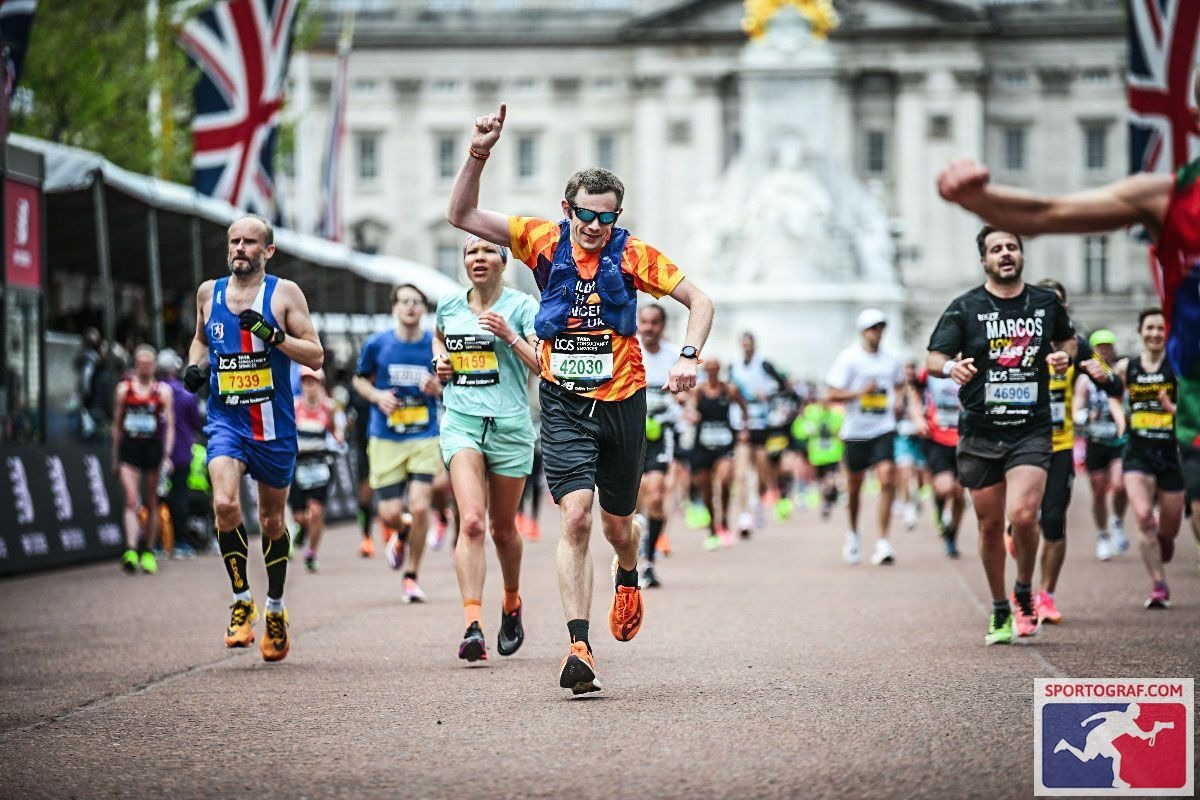
The race starts in waves by predicted time, and the 2026 field had pacers from 1:30 to 3:15. Practise settling to your target pace in the first mile of a long run without checking your watch every few seconds.
Keep the running and strength work in one place. Explore MaxMile for your Cambridge Half Marathon preparation, or compare the levels of personal coaching.
03 / PUT IT INTO PRACTICE
Pace the race you have trained for
Start at goal effort, not faster. A flat course tempts runners to bank time in the first miles, but that usually costs more in the final three. Aim for even splits, using the drink stations (around 3.5, 6.5, 9.5, 11 and 12.3 miles in 2026) as checkpoints.
If you still feel controlled at Trumpington Road around 10 miles, start to lift the effort gradually towards the finish. If you are near the back, note the on-course checkpoints in 2026: 15.3 km on Trumpington Road by 13:00 and 18.5 km at Silver Street by 13:30.
04 / MAKE ROOM FOR TRAINING
When should your block start?
The 2027 Cambridge Half is on Sunday 14 March. A 12-week half-marathon block begins around Sunday 20 December 2026, so Christmas and New Year fall in the first fortnight; agree a realistic minimum for the holidays. A 10-week block begins around Sunday 3 January 2027, and a 16-week block for newer runners around 22 November 2026.
Your longest runs and race-pace sessions then land in February. Taper over the final week or two in early March. The Bath Half is on the same day, so choose one; if you want a second spring goal, a marathon in April or May follows naturally.
05 / SORT THE PRACTICAL BITS
Kit and race-weekend planning
Race packs are posted about two to three weeks before the race, or can be collected on Friday 12 March (12:00 to 18:00) or Saturday 13 March (10:00 to 16:00). Bag drop is a large marquee on Midsummer Common, open from 08:00; keep your bag to about airport hand-luggage size.
There is no parking on Midsummer Common. In 2026, Park and Ride ran from seven sites, with buses from 07:00 to 08:30 and returns from 11:00 to 15:00, and a free secure bike park for runners on the Common. Headphones are not allowed under England Athletics rules. Check the organiser’s 2027 information before travelling, as some event pages still showed 2026 details when we checked.