01 / KNOW THE ROUTE
What the course asks of you
Take in the harbour and the Dockyard
The organiser’s route guide takes runners past the Spinnaker Tower and Portsmouth Harbour and through the Historic Dockyard and HM Naval Base in the early miles. This section is busy and full of landmarks. Enjoy it, but keep your effort controlled and save energy for later.
Work through the residential miles
Next come around four miles of loops and longer stretches through residential, built-up areas, with crowds and supporter signs along the way. The organiser mentions Victoria Park at about mile 3 and the D-Day Memorial at about 6.5 miles. Use landmarks like these to check your effort.
Hold form on the seafront
After passing Canoe Lake and the 8-mile marker, the route joins East Esplanade. The final straight runs beside the beach to the finish on Clarence Esplanade, near Southsea Castle. The organiser warns that coastal running is often windier than running inland. Prepare to hold your posture and effort if there is a headwind in the last two miles.
02 / BUILD THE BLOCK
How to prepare
Build for 10 miles, not 10K
Ten miles is long enough that endurance matters. Build a weekly easy long run that grows beyond race distance. That way the full 10 miles feels comfortable before you start racing it.
Practise sustained effort
Add steady or tempo blocks at a little slower than your 10K effort. Gradually extend the time spent at that effort through the block. Interval sessions can come later, once the steady work is in place.
Train in the wind
The organiser suggests training in a range of weather. On a breezy day, run part of a steady session into the wind and focus on relaxed shoulders and a steady effort rather than a fixed pace.
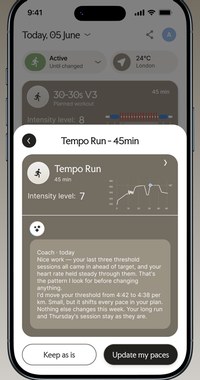
Keep the running and strength work in one place. Explore MaxMile for your Great South Run preparation, or compare the levels of personal coaching.
03 / PUT IT INTO PRACTICE
Pace the race you have trained for
Start in your allocated wave. The organiser says you can move to a slower wave but not a faster one. Use the Dockyard miles to settle in, then run a steady, even effort through the residential loops.
Aim to reach the seafront at about mile 8 with energy to spare. If there is a headwind, let your pace drop a little, stay tall and keep your effort steady. If the wind is behind you, you can push harder through the last mile.
04 / MAKE ROOM FOR TRAINING
When should your block start?
The 2027 race is on Sunday 17 October. A 10-week block would begin around Sunday 8 August 2027, or a 12-week block around Sunday 25 July for runners who want more time. Use the early weeks to extend your long run, then add more sustained race-effort work from September.
Through the spring and early summer, keep a regular easy routine and include some faster strides or short hills. If you are also running an early-autumn half marathon, plan a few easier days after it before the final Great South Run sessions.
05 / SORT THE PRACTICAL BITS
Kit and race-weekend planning
Your race number, with its built-in timing chip, should arrive about four weeks before the race. Late and overseas entrants collect theirs from the information point. Fill in the baggage label on your number before you leave home. Bag drop is on baggage buses in a marquee on Castle Field.
The seafront can be cold and windy in October. Wear a throwaway layer to the start and pack warm clothes in your bag for afterwards. Participants must be aged 16 or over on race day.